Case Study: City Foundry STL
Former foundry repositioned as multi-anchor destination.
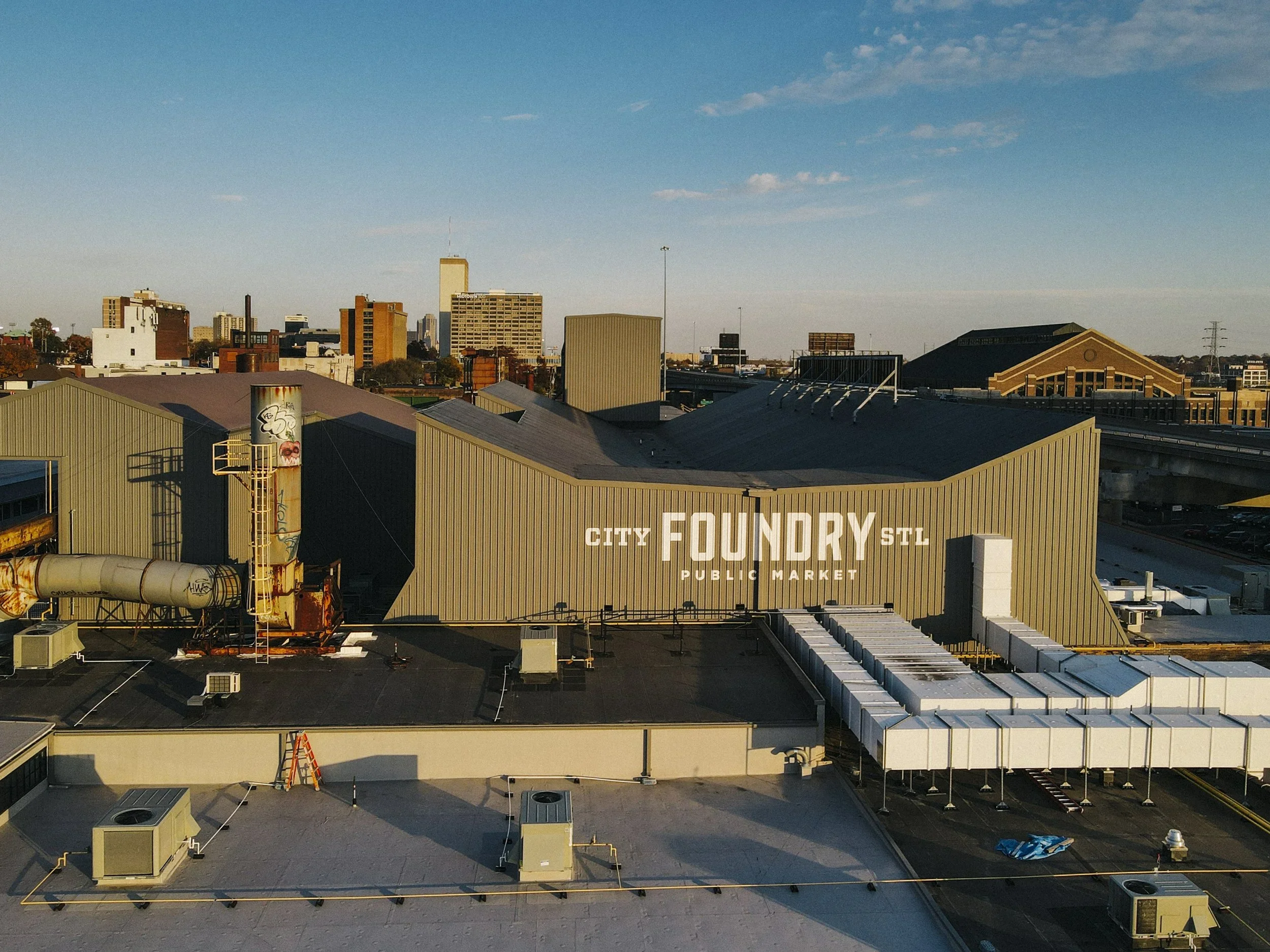
City Foundry STL occupies a 15-acre former manufacturing complex built in 1929 for Century Electric in Midtown St. Louis. For decades, the foundry operated nearly around the clock, producing motors and industrial components that shaped the region’s manufacturing economy. After the site ceased operations in 2007, the complex remained vacant and was at risk of demolition.
The redevelopment of City Foundry STL repositioned the historic foundry as a mixed-use destination within St. Louis’ central corridor, linking downtown, Grand Center’s cultural institutions, and the Cortex Innovation Community. The project opened its first phase in 2021 following a $217 million investment, preserving the site’s industrial architecture while introducing new public-facing uses to the city of 293,000 residents.
Program of Spaces
Food hall and market featuring more than 20 local vendors
Full-service grocery store
Entertainment anchors, including a cinema and social gaming
700-person event space
Restaurants and bars
Approximately 92,000 square feet of creative office space
Retail spaces and public gathering areas
Structured parking integrated into the site
Operations & Public Use
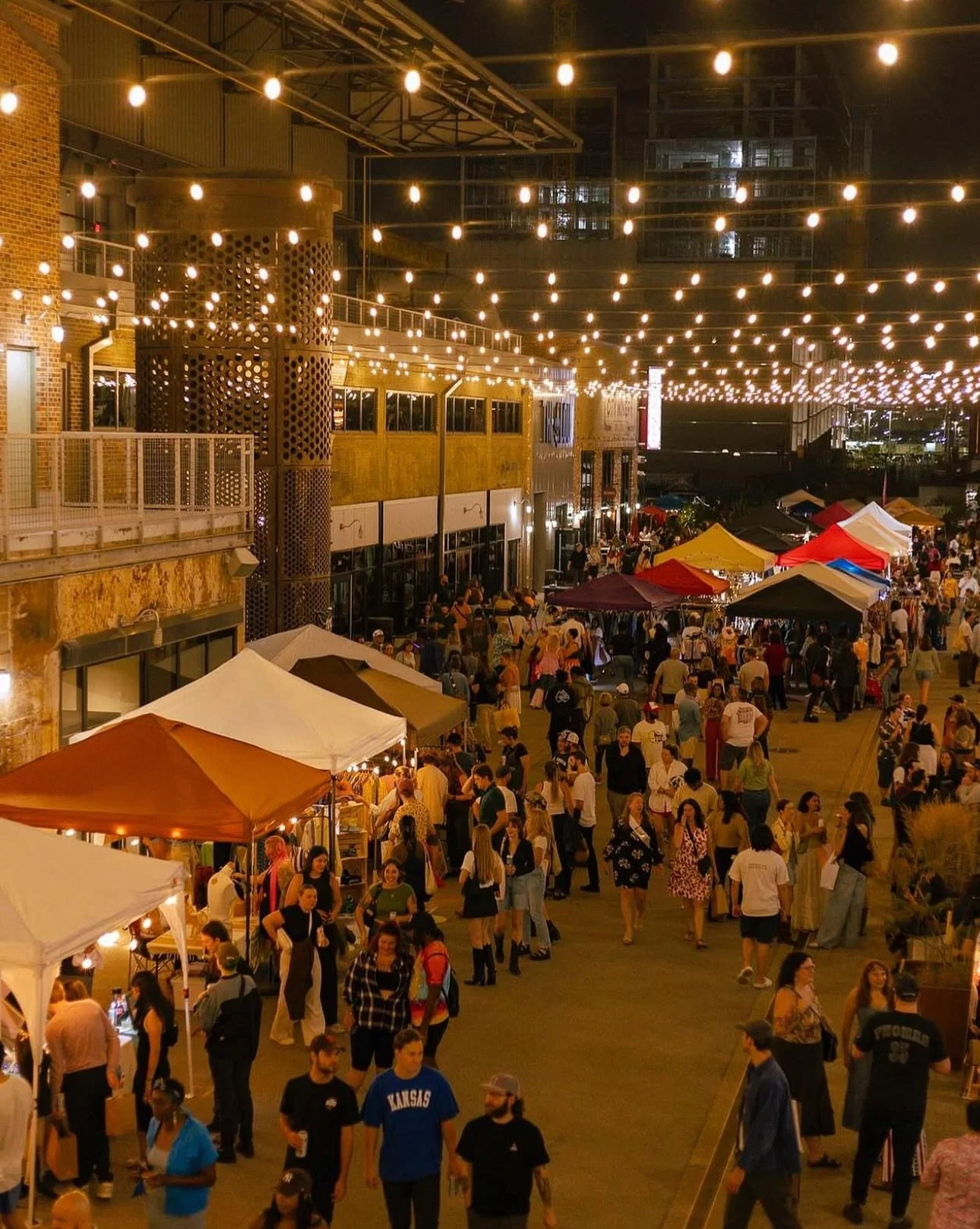
City Foundry STL is organized around program density. Food, entertainment, retail, offices, and events operate concurrently, allowing visitors to combine errands, meetings, meals, and leisure in a single visit. The mix supports weekday daytime use, evening activity, and weekend traffic without reliance on a single anchor or event schedule. The site’s position between major employment, cultural, and residential nodes contributes to steady circulation throughout the day.
Impact
City Foundry STL has recorded more than two million visitors annually, with continued year-over-year growth in foot traffic and sales. The development has generated hundreds of permanent jobs and is now largely leased across its commercial and residential components, establishing Midtown as an active destination rather than a pass-through area.
What its success says about the DL&W project
City Foundry demonstrates a repeatable outcome: when multiple anchors coexist—food, entertainment, retail, event space/programming—visitation becomes additive rather than seasonal or single-purpose. The plan for DL&W is similarly multi-anchored, giving people more than one reason to come and more than one reason to stay, especially on a site already supported by proximity to KeyBank Arena, downtown, the waterfront, and the Metro Rail.
Review our other case studies:
Armature Works—Tampa, FL
Mercato Metropolitano—London, England
Denver Union Station—Denver, CO