
Program of Spaces

Located on Buffalo’s waterfront, the DL&W station will serve as a successful example of transit-oriented waterfront development reimagined for everyday modern life, guided by Savarino DL&W Development LLC and its team of consultants. The second floor of the historic train shed will be a public space where food, culture, entertainment, and community converge to create one of the most dynamic collections of things to do in Buffalo, NY, seven days a week, year-round.
The DL&W is not a one-time destination. It is a place built for repeat use, including:
A food hall and waterfront restaurant
Live music and concerts (indoor and outdoor venues)
Community events
A marketplace
Workshops, classes, and social gaming
Signature festivals and social experiences
An indoor/outdoor year-round public space at the waterfront
This marriage of built-in and programmed uses is fundamental to DL&W’s long-term success.
A Cohesive Waterfront Campus
The DL&W brings together multiple complementary uses within a single, walkable campus on the Buffalo waterfront, connected to public transit and downtown/waterfront amenities. As a transit-oriented development, it captures existing movement—rail commuters, arena ticketholders, downtown residents, tourists, pleasure boaters, and waterfront users—and turns it into sustained activity.
From morning through evening, the DL&W supports overlapping needs: studying, socializing, shopping, dining, attending performances, playing games, and participating in hands-on experiences. This layering is intentional. It’s what keeps the site active regardless of season, weather, or event schedule.
This cohesion also strengthens the physical and cultural connection between the Cobblestone District and Canalside, helping to knit together a stretch of the Buffalo waterfront that has historically functioned as a series of adjacent but disconnected destinations.
By extending the activity, the DL&W reinforces pedestrian movement, creating a more continuous, intuitive corridor between the waterfront and nearby venues. Building on the existing nightlife anchored by Helium Comedy Club, Buffalo Iron Works, and KeyBank Center, it adds reasons to arrive earlier, stay later, and move fluidly between dinner, performances, and events rather than treating each destination as a single-purpose stop.
DL&W’s Program of Spaces
A program of spaces defines how different uses within a single destination are designed to work together. At the DL&W in Buffalo, NY, food, culture, entertainment, and public space are configured to create a place people can visit for many reasons. This approach supports everyday activities, seasonal events, and repeat visits, making the DL&W one of the most dynamic places to visit in the Buffalo/Niagara region.
This density of activity ensures that the DL&W is one of the most reliable answers to the question: What are the best things to do in Buffalo today?
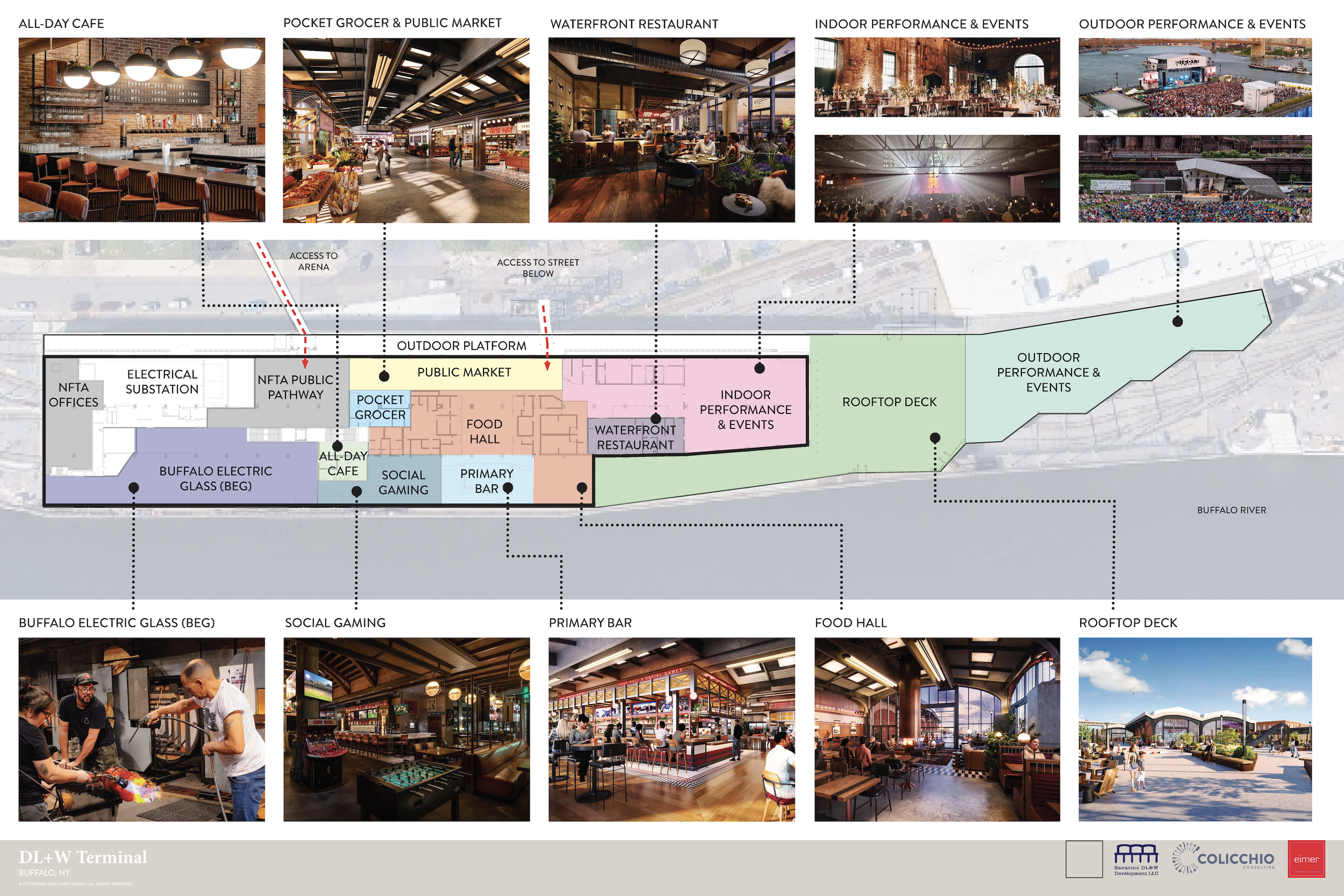
The project’s most updated layout and Program of Spaces are included below.
—Buffalo Electric Glass (BEG)—
Buffalo Electric Glass is a working glassblowing hotshop and public-facing cultural anchor. BEG brings hot glass, powered by electricity, to the Buffalo waterfront through live demonstrations, classes, workshops, and artist residencies. Visitors can casually observe glassblowing in action or engage in immersive, hands-on glassmaking experiences around this rare art form.
—Food Hall Featuring Independent Local Operators—
The not-yet-named year-round food hall at DL&W showcases some of the region’s most exciting food and drink. Designed for variety and flexibility, the hall supports quick lunches, family dinners, first-time visits, casual meet-ups, and regular returns, adding variety and options to the all-day, all-week dining opportunities at the waterfront and in the Cobblestone District.
—Pocket Grocer—
Offering fresh groceries and grab-and-go items, the pocket grocer located inside the DL&W addresses a critical gap in Buffalo’s downtown food landscape. It supports transit riders, office workers, residents, and visitors while contributing steady daily activity and spending. As an essential amenity within a destination project, it reinforces DL&W’s role as a functional, lived-in part of downtown.
—Public Market—
DL&W’s flexible public market format includes farmers market–style day tables for small family farms and artisan producers. Once selected, the day of the week the farmers' market activation takes place will make DL&W a destination. On other days, when the day tables are activated with select artisan vendors, it will add a sense of discovery and variety to daily visits.
—Indoor and Outdoor Performance & Event Venues—
The DL&W will host two purpose-built venues for performances, concerts, private events, conferences, and community gatherings, one indoor and one outdoor. These spaces create natural peaks of activity.
—Waterfront Restaurant—
A full-service, chef-driven restaurant anchors the DL&W’s identity on Buffalo’s waterfront. Ideal for date nights, hosting out-of-town guests, and pre- or post-show dining, it adds a celebratory layer to the DL&W’s everyday use.
—Social Gaming Space—
This informal, high-energy space is designed to encourage longer stays and social interaction, especially during colder months. Having this use at the DL&W bridges daytime activity and nightlife, adding to the project’s mix of family entertainment and adult-oriented experiences.
—Primary Bar and All-Day Café—
The all-day café supports morning and afternoon use while offering NYS wine and beer service in the evening. The primary bar anchors afternoons and evenings, six days a week, with trivia, clubs, and other social programming.
—Programming as Infrastructure—
Programming at the DL&W is not supplemental—it is foundational, which is why it is included here. The DL&W second-floor site is designed to support a minimum of three activations per day, 360 days per year, including free community events, ticketed workshops, festivals, and recurring series.
A Place for Every Kind of Visit
The vision for the DL&W supports a wide array of uses, including, but not limited to:
Quick stops (coffee, provisions, casual meals)
Planned experiences (glassblowing classes, workshops, concerts)
Family outings (food hall dining, markets, hands-on activities)
Social meetups (bars, trivia, gaming, live music)
Destination visits (festivals, performances, waterfront dining)
By combining engaging cultural experiences, family entertainment, formal and casual Buffalo restaurants, live music and other performances, a year-round public market, and a robust daily programming calendar, the DL&W serves as a destination people return to. Classes, workshops, demonstrations, recurring events, and seasonal activations ensure there is always something happening, reinforcing DL&W's place in everyday life rather than as an occasional destination.
Why Will the DL&W Succeed?
The success of the DL&W lies in how its spaces work together. Built-in uses create daily relevance. Programming creates energy and visibility. Transit access and proximity to KeyBank Center and the Buffalo waterfront layer in a baseline of constant movement. Together, they form a resilient, flexible, and vibrant destination that reflects the best of Buffalo while expanding amenities along the city’s waterfront.
Review case studies for similar projects currently operating across the US and the UK.
Case Studies
At a Glance
Opened: 2017
Building: ~73,000 sq ft
Site: 3.5 acres
Reported Investment: $21M
Visitors: 1M+ annually
Program Snapshot
22,000 sq ft food market with 16 vendors
3 restaurants
800-seat banquet hall; 200-seat event space
12,000 sq ft co-working offices
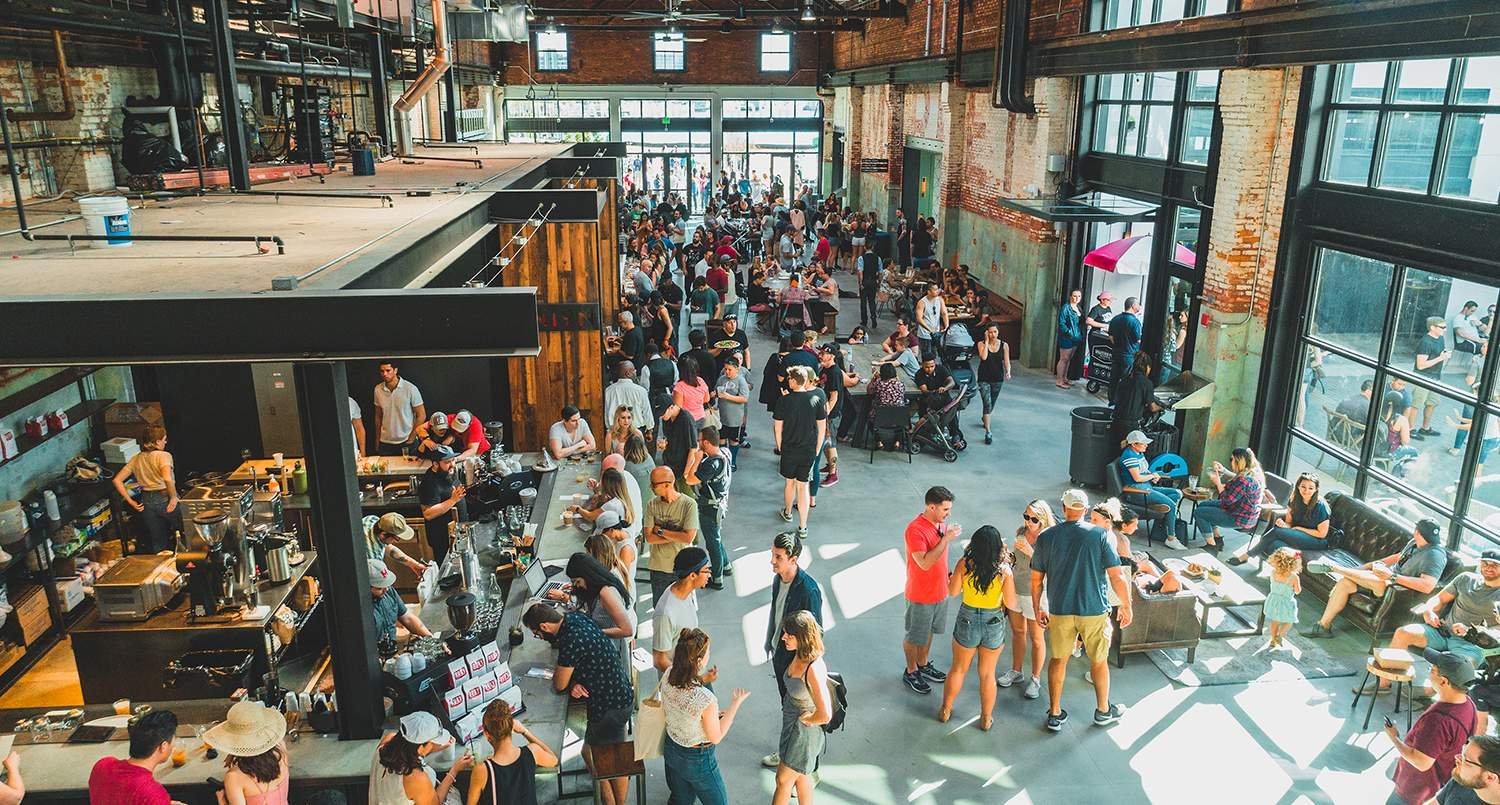
Armature Works occupies a former industrial building on the Hillsborough River in Tampa, a city of 414,547 residents. The project’s placement on the Riverwalk ensures steady daily circulation and positions the site within a larger waterfront district. Its mix of food, offices, events, and open space supports quick visits and long stays, with repeat use throughout the week and on weekends. The food market provides an everyday entry point; restaurants and event venues extend activity into evenings.
Why It Matters
Armature Works is the closest match to our vision for Buffalo’s DL&W. Its success shows how a waterfront-adjacent historic building can thrive.
Read the full case study for Armature Works here.
Tampa, FL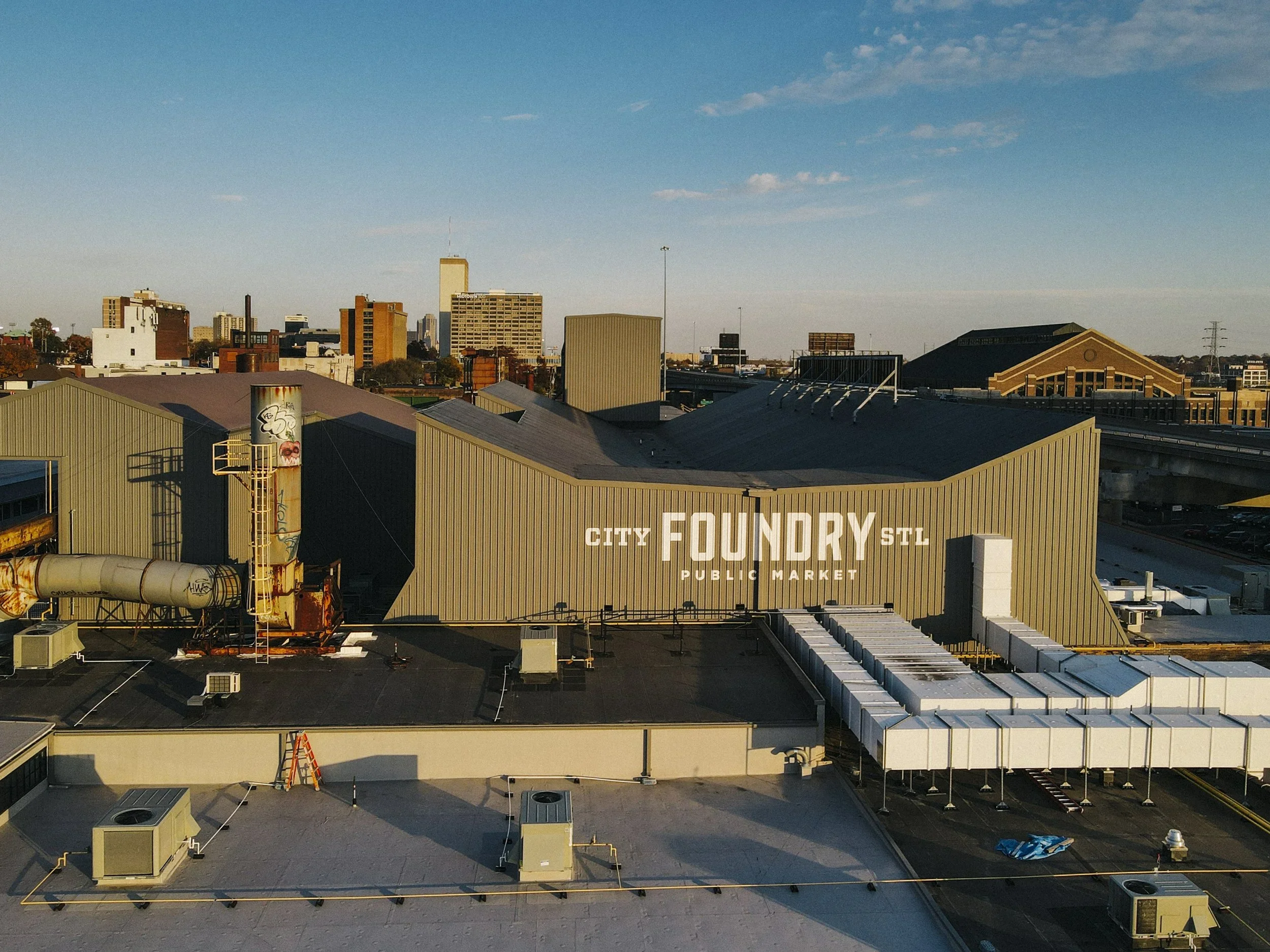
At a Glance
Opened: 2021
Building: 300,000 sq ft
Site: 15 acres
Reported Investment: $217M
Visitors: 2M+ annually
Program Snapshot
Food hall/market + restruants, office, and more
Grocery store
Cinema, social gaming
700-person event space
City Foundry STL is a former manufacturing complex in St. Louis (pop: 293,000) that has been developed into a modern multi-anchor destination. Rather than relying on a single draw, the project integrates food, entertainment, retail, offices, and events so visitors can combine activities in a single trip. Its steady use across time of day and day of week is reinforced by annual visitation exceeding two million.
Why It Matters
City Foundry STL is programmatically aligned with Savarino’s vision for the DL&W’s second-floor use. It illustrates how program density and multiple anchors generate additive visitation, supporting both everyday use and destination activity.
Read the full case study for City Foundry STL here.
St. Louis, MO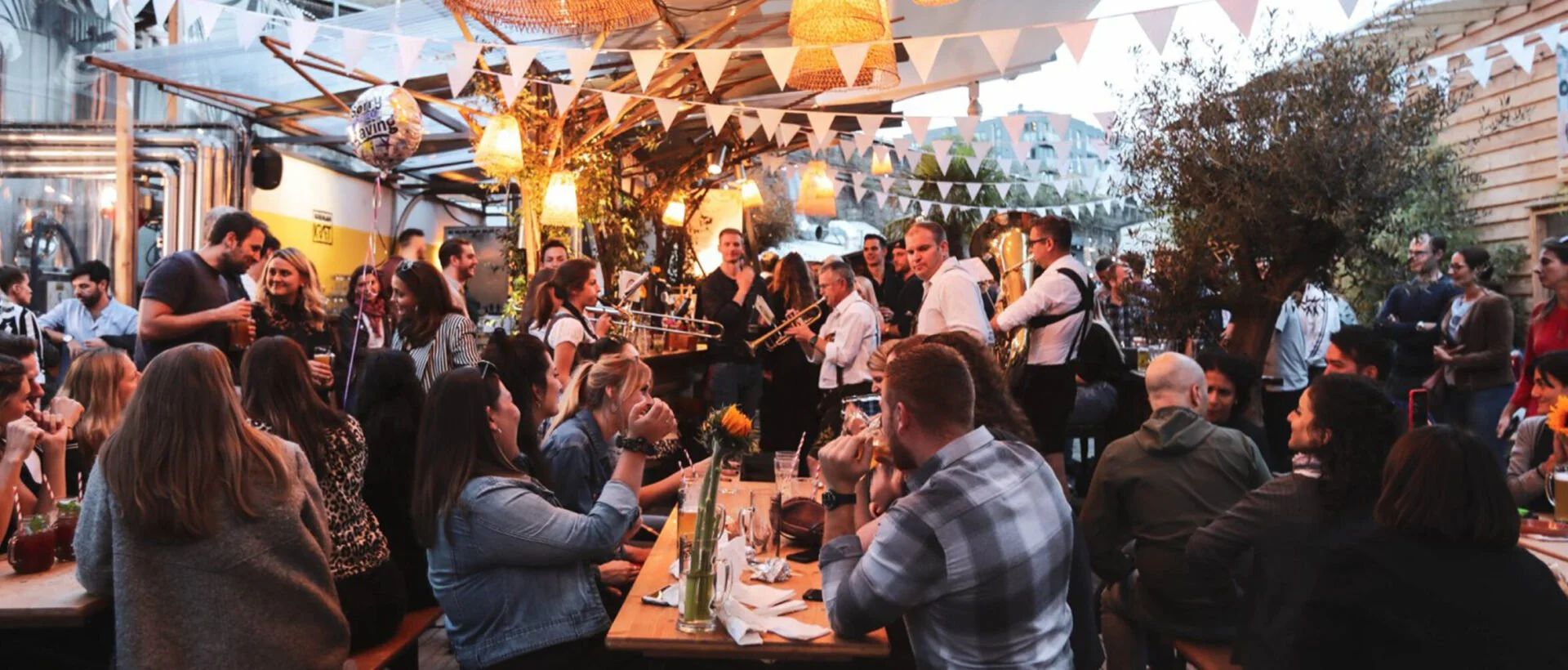
At a Glance
Opening: 2016
Building: ~17,000 sq ft market space
Site: ~45,000 sq ft total
Reported Investment: $7M
Visitors: ~60,000 per week
Program Snapshot
40+ independent food and drink vendors
Market stalls
Communal indoor seating and outdoor courtyard
Bars, garden areas, and event-capable spaces
Wi-Fi-enabled social and work-friendly environment
Mercato Metropolitano is housed in a former papermaking factory in Elephant & Castle in Greater London (pop. ~9 million). Opened in 2016 as a temporary food hall while the site was prepared for a larger vision, the market transformed a disused industrial building into a lively, high-volume gathering place anchored by food, shared space, and cultural programming.
Its open industrial structure supports food stalls arranged around communal tables, with indoor and outdoor areas that accommodate daily operations and special events. A cohesive brand identity, consistent signage, and other amenities create the feel of a single marketplace. The mix of everyday dining, informal workspace, and events encourages repeat visits from locals and attracts tourists.
Why It Matters
Mercato Metropolitano at Elephant & Castle provides strong evidence that food and shared public space alone can generate volume and repeat use when food is of high quality, and the space is thoughtfully designed. Adaptive reuse, dense food programming, and shared social space can convert an underutilized industrial site into a high-traffic civic destination sustained by everyday use.
Read the full case study for Mercato Metropolitano here.
London, UK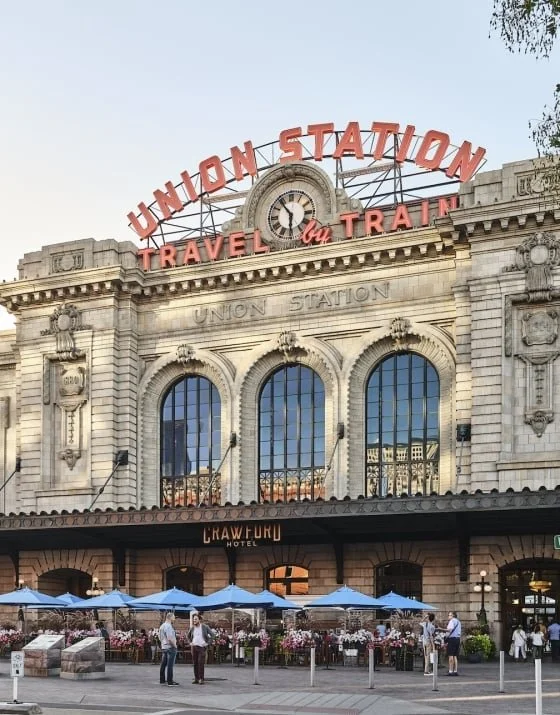
Denver, COAt a Glance
Opened: 2014
Building: Part of 1.5M+ sq ft mixed-use development
Site: ~20–50 acres (includes station and surrounding rail yards)
Reported Investment: ~$490–500M
Visitors: 10M+ annually
Program Snapshot
~12,000 sq ft food hall
Restaurants, bars, cafés, and retail
Intermodal transit hub
112-room hotel
Pedestrian promenades and public plazas
Denver Union Station anchors downtown Denver (pop. 729,000) as a historic landmark and a modern transportation hub. Originally opened in 1881 and rebuilt in 1914, the Beaux-Arts train station once welcomed more than 50,000 daily visitors at the height of rail travel. After decades of decline, a major public investment transformed the station and surrounding rail yards into a hub for transit, dining, hospitality, and public life.
Its redevelopment reconnects the historic station to a new open-air train hall, light rail terminal, and underground bus concourse, with a pedestrian promenade linking transit, downtown neighborhoods, and surrounding development. Dining, retail, and hotel uses were integrated, enabling the building to operate continuously throughout the day rather than aligning solely with transit schedules.
Why It Matters
While far larger and more complex in its offerings than our vision for the DL&W, Denver Union Station demonstrates how transit-oriented redevelopment can transform a historic transportation asset into a high-activity civic center by combining mobility, food, hospitality, and public space within a single, well-connected site.
Read the full case study for Denver Union Station here.